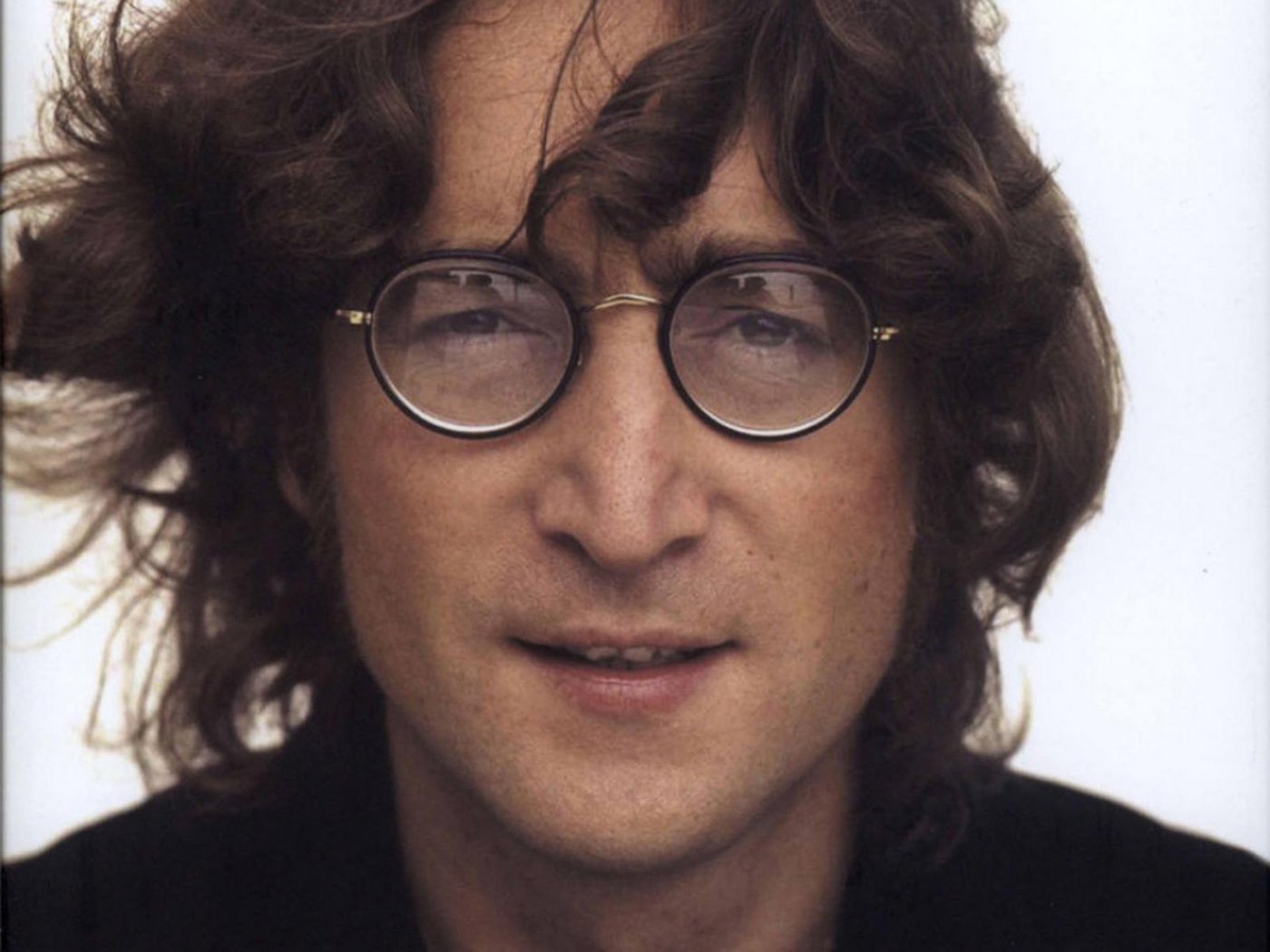
The world didn't just lose a musician; it lost a sort of collective hope. It’s a question that still pops up in trivia nights and history classes: what year did John Lennon die? The short answer is 1980. But if you were there, or if you’ve ever fallen down the rabbit hole of Beatles lore, you know that "1980" is just a number that fails to capture the sheer, vibrating shock of that December night in New York City.
Honestly, it feels like it happened in a different lifetime, yet the details are so sharp they could have occurred yesterday.
The Night Everything Changed: December 8, 1980
It was a Monday. New York was cold, the kind of damp cold that gets into your bones. John Lennon was 40 years old. He was finally coming out of a self-imposed five-year retirement where he’d basically been a "house husband," baking bread and raising his son, Sean. He was excited. He had a new album out, Double Fantasy, and he was feeling creative again.
Around 10:50 p.m., John and Yoko Ono pulled up to their home, The Dakota, an imposing apartment building on 72nd Street. They’d been at a recording session at the Record Plant, working on Yoko’s song "Walking on Thin Ice." They decided to walk through the archway of the building instead of driving in, probably just wanting to get inside and see their son.
That’s when Mark David Chapman, a 25-year-old who had been loitering outside all day, stepped out of the shadows.
He didn't yell. He didn't make a scene. He just fired five hollow-point bullets from a .38 Special revolver. Four of them hit John in the back and shoulder.
The Chaos at Roosevelt Hospital
The scene was pure madness. Police didn't wait for an ambulance because John was losing too much blood, too fast. They threw him into the back of a patrol car. Officer James Moran reportedly asked, "Are you John Lennon?" to which John supposedly groaned or nodded before slipping away.
He was pronounced dead on arrival at Roosevelt Hospital at 11:15 p.m.
The news broke in the most "1980" way possible. Howard Cosell announced it during Monday Night Football. Imagine watching a game between the Patriots and the Dolphins and suddenly hearing that the man who wrote "Imagine" was gone. People literally walked out of their houses and into the streets.
Why 1980 Was the End of an Era
When you look at what year John Lennon died, you have to look at the cultural context. The 70s were over. The hippie dream was kind of on life support anyway, but this was the final blow. People always asked when the Beatles would get back together. After December 8, 1980, that dream wasn't just deferred; it was dead.
Strange Details from That Day
There are bits of that day that feel almost scripted.
- The Autograph: Earlier that afternoon, around 5:00 p.m., John actually signed a copy of Double Fantasy for Chapman. There's a famous, haunting photo of it. John looks kind, Chapman looks... there.
- The Book: After the shooting, Chapman didn't run. He sat down and started reading The Catcher in the Rye. He told police he was the protagonist, Holden Caulfield.
- The Number 9: Lennon was obsessed with the number nine. He was born on Oct 9. The Beatles' first contract was signed on May 9. He lived at 72nd Street (7+2=9). He died on Dec 8 in NYC, but it was already Dec 9 in his birthplace of Liverpool.
Common Misconceptions About 1980
You’d be surprised how many people get the timeline wrong. Some think it happened in the 70s because of the "end of the hippie era" vibe. Others think it was much later because his music feels so permanent.
Some folks also get confused about where it happened. It wasn't at a concert or a club. It was at his front door. That’s what made it so terrifying for people at the time; the idea that a "fan" could just wait for you at home.
The Legacy That Wouldn't Quit
After 1980, Yoko Ono didn't hold a traditional funeral. Instead, she asked for ten minutes of silence on December 14. All over the globe, everything just... stopped. Radio stations went silent. People in Central Park stood still.
Today, if you visit Strawberry Fields in Central Park, right across from the Dakota, you'll see the "Imagine" mosaic. It’s always covered in flowers. Even 45+ years later, the site is a pilgrimage point.
What to do if you want to learn more:
If this has sparked a bit of a deep dive for you, here’s how to actually get the real story without the fluff:
- Listen to Double Fantasy: It’s literally the last thing he worked on. You can hear his optimism in songs like "(Just Like) Starting Over."
- Watch The Real John Lennon: Look for documentaries that use archival footage from 1980 to see the raw public reaction.
- Visit the Dakota (Respectfully): If you're in New York, stand across the street at Strawberry Fields. It gives you a sense of the geography of that night.
- Read the 1980 Playboy Interview: It was his last major sit-down. He talks about aging, his family, and his future. It's heartbreaking because he had no idea he only had weeks left.
John Lennon's death in 1980 wasn't just a news headline. It was a pivot point in history. Whether you’re a lifelong fan or just someone curious about why this one name carries so much weight, understanding that specific year helps make sense of the world we live in now. Peace wasn't just a slogan for him; it was a job. And in 1980, that job was left for the rest of us to finish.